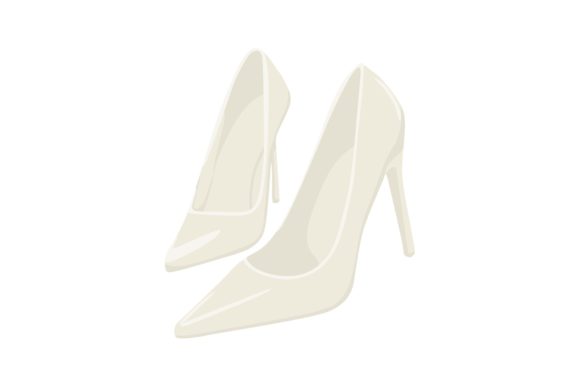
Mastering Wedding Suits: A Designer's Guide to Elegance
When a client walks into a meeting requesting a design that feels "timeless, sophisticated, and undeniably romantic," the pressure is on to deliver something that captures the essence of a grand celebration. In the world of visual communication, few things evoke that level of emotion as effectively as typography. If you are working on branding for a high-end event planner, a bespoke tailoring service, or a luxury bridal magazine, you need a typeface that doesn't just sit on the page—it makes a statement. This is where the concept of "Wedding Suits" in design assets becomes a game-changer. It represents the intersection of formal elegance and modern design utility, offering a visual language that speaks of commitment, style, and premium quality.
For designers, content creators, and small business owners, having access to versatile assets is crucial. The "Wedding Suits" collection isn't just a set of graphics; it is a comprehensive toolkit available in six essential format types: AI, EPS, SVG, DXF, JPG, and PNG. Each format is meticulously crafted with a canvas size of 1920 px x 1280 px. This ensures that whether you are designing for a massive billboard, a detailed print brochure, or a crisp social media feed, the resolution remains impeccable. Understanding how to leverage these specific formats can save you hours of troubleshooting and reformatting, allowing you to focus on the creative side of your projects.
The Power of Vector vs. Raster in Brand Assets
One of the biggest hurdles in design is scalability. How many times have you tried to enlarge a client’s logo only to have it turn into a pixelated mess? The inclusion of AI, EPS, and SVG files in this collection solves that problem entirely. These vector formats are the backbone of professional logo design and packaging. If you are a brand strategist working on identity design, the AI (Adobe Illustrator) and EPS (Encapsulated PostScript) files allow you to manipulate every anchor point, change colors to match a specific brand palette, and scale the graphics to fit anything from a business card to a storefront sign without losing an ounce of quality.
The SVG (Scalable Vector Graphics) file is particularly vital for web design. As we move toward more responsive and interactive websites, SVGs ensure that your "Wedding Suits" imagery loads quickly and looks sharp on any screen resolution, whether it’s a 4K monitor or a retina smartphone. For entrepreneurs building their own sites on platforms like Shopify or WordPress, using SVGs for header images or decorative elements ensures a professional presentation that builds trust with visitors immediately.
Bridging the Gap Between Digital and Physical
While vectors are essential for branding, the reality of modern marketing requires a robust presence in both digital and physical spaces. This is where the JPG and PNG files come into play. The JPG files are optimized for fast loading times, making them perfect for blog headers, email marketing campaigns, and website backgrounds where file size matters. However, the real star for many content creators is the PNG format. With transparent backgrounds, PNG files allow you to layer the "Wedding Suits" graphics over photos, textures, or colored backgrounds seamlessly.
Imagine you are a social media manager creating an Instagram Story for a wedding planner. You need a quick, high-quality graphic of a suit silhouette to overlay onto a photo of a venue. A PNG file allows you to drag and drop that element instantly. Furthermore, for those in the crafting world—perhaps selling on Etsy or creating physical merchandise—the DXF (Drawing Exchange Format) file is a lifesaver. It is the standard for CNC machines, laser cutters, and vinyl cutters. If you are making custom cake toppers, stencil art, or engraved invitations, the DXF format ensures your machine reads the lines perfectly, resulting in a clean cut every time.
Visual Consistency and Brand Recognition
Typography and imagery play a massive role in how a brand is perceived. When you use a cohesive set of assets like the "Wedding Suits" collection, you are doing more than just decorating; you are building brand recognition. Consistency is key in visual communication. If a boutique hotel uses a specific style of elegant illustration on their website, that same style should appear on their room service menus, their social media ads, and their in-room welcome booklets.
By utilizing the consistent canvas size of 1920 px x 1280 px across these formats, you ensure that your visual hierarchy remains balanced. This specific ratio is excellent for landscape-oriented content, which dominates much of the digital advertising space and standard print layouts. It prevents the awkward cropping that often happens when assets aren't standardized. For a marketing professional, this means less time fixing layouts and more time crafting compelling messages that drive engagement.
Practical Applications for Creative Entrepreneurs
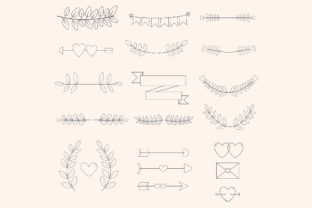
Let's look at how this applies to specific industries. If you are a publisher working on an editorial layout for a lifestyle magazine, the "Wedding Suits" graphics can serve as sophisticated spot illustrations or section dividers. They add a touch of class without overwhelming the text, maintaining readability while enhancing the visual appeal of the page.
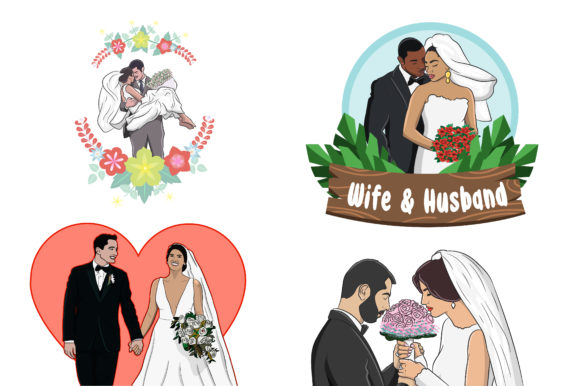
For those in the merchandise business, these assets offer endless possibilities. Think about custom tote bags for bridal showers, elegant greeting cards, or even apparel mockups. The versatility of having both vector and raster formats means you can adapt the design to fit the medium perfectly. You aren't locked into one use case; you have the freedom to expand your product line without needing to commission new artwork for every single item.
Choosing the Right Format for Your Project
Understanding which file to use is half the battle. Here is a quick breakdown of how to approach the selection process based on your end goal:
- For Logo Design and Large Format Printing: Always use the AI or EPS files. These ensure maximum quality and editability. If you need to change the color scheme to fit a client's corporate identity, vectors allow for instant recoloring.
- For Websites and Digital Ads: Use SVG for icons and simple graphics to keep load times fast. Use JPG for complex photographic backgrounds where color depth is needed but transparency is not.
- For Social Media and Layering: The PNG format is your best friend. The transparency allows for creative compositing, making your posts look native and professional rather than "stuck on."
- For Crafting and DIY Projects: If you own a Cricut or Silhouette machine, the DXF file is what you need to import into your cutting software. It translates the design into paths that the machine can follow.
Enhancing Audience Engagement Through Aesthetics
In a crowded digital landscape, aesthetics are often the first point of contact between a brand and a potential customer. A well-designed visual stops the scroll. When you incorporate high-quality assets like the "Wedding Suits" collection into your marketing strategy, you signal professionalism and attention to detail. This is crucial for building trust. Consumers often associate the quality of a brand's visual presentation with the quality of their actual products or services.
Consider the user experience on a website. If the images are crisp, well-composed, and stylistically consistent, the user is more likely to stay on the page and explore. Conversely, blurry or mismatched graphics can create subconscious friction, leading to higher bounce rates. By using assets that are specifically designed with a professional canvas size and available in multiple formats, you are equipping yourself with the tools to create a seamless user journey.
Commercial Licensing and Peace of Mind
For small business owners and freelancers, the legal aspect of design assets is just as important as the visual aspect. Nothing derails a project faster than realizing you don't have the rights to use a graphic commercially. It is essential to verify the licensing terms of any asset you download. High-quality collections often come with licenses that allow for commercial use, meaning you can use the designs in products you sell, client work, and advertising without fear of copyright infringement. Always review the specific terms, but having a dedicated asset library like this provides a solid foundation for scaling your business legally and safely.
Ultimately, the goal of any design project is to communicate a message effectively. The "Wedding Suits" collection provides a visual shorthand for elegance, formality, and celebration. Whether you are a seasoned graphic designer handling a rebrand or a hobbyist creating a beautiful invitation for a friend, having the right tools makes the process smoother and the result more impactful. By utilizing the full range of formats provided—from editable vectors to print-ready rasters—you ensure that your creative vision translates perfectly across every medium and platform you touch.