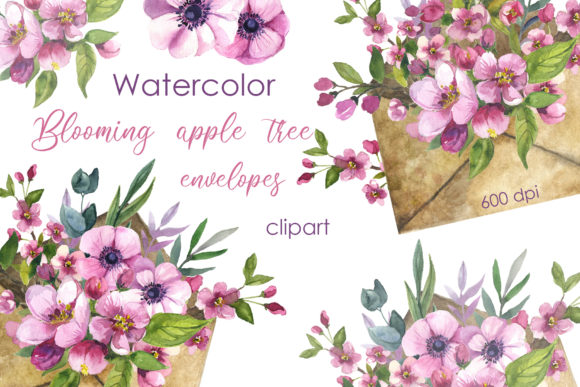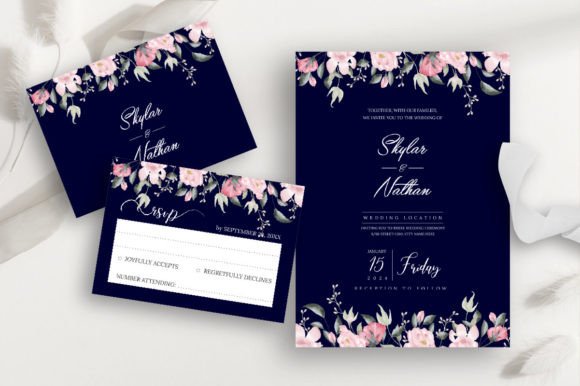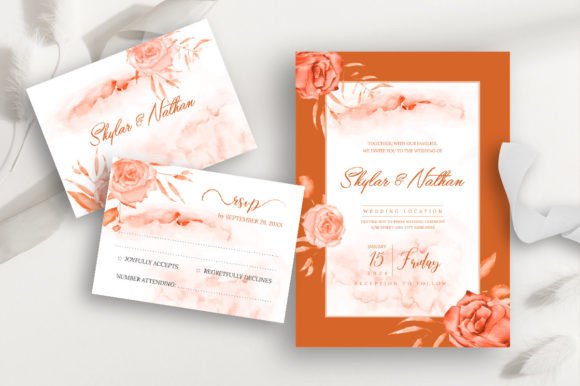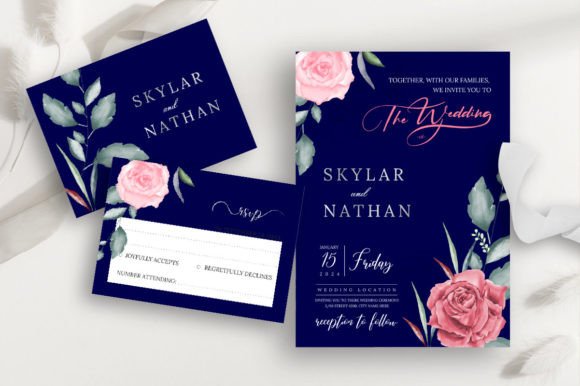
Watercolor Flower Art Brush: The Wedding Set That Saves Hours
You know that moment when a client asks for a "whimsical yet elegant" floral design, and you spend the next three hours hunting through stock sites, downloading mismatched elements, and trying to force them into a cohesive look? I've been there more times than I'd like to admit. That frustration is exactly why discovering a well-organized Watercolor Flower Art Brush, Wedding Set can feel like finding a shortcut you didn't know existed. Instead of cobbling together random assets, you get a unified collection of hand-painted botanical elements designed to work together from the start.
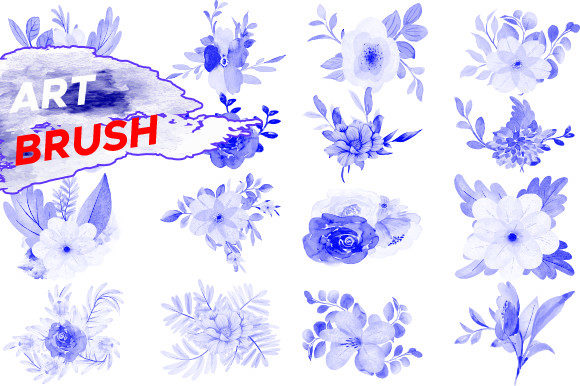
This particular set includes 16 flower arrangements available in Ai, Eps, Psd, Jpeg, and Png formats at 300 DPI. The vector files are fully editable in Adobe Illustrator, which means you can resize, recolor, and reshape every brushstroke without losing quality. If you've ever wrestled with a pixelated PNG when scaling up for a poster or billboard, you already understand the value of vector-based watercolor art. The files are structured so that someone with basic Illustrator knowledge can open them, start customizing, and have a finished asset in minutes rather than hours.
Why Watercolor Florals Still Dominate Wedding and Lifestyle Branding
There's a reason watercolor botanicals keep showing up across wedding invitations, boutique packaging, wellness brands, and lifestyle blogs. They carry an inherent warmth that flat digital illustrations often lack. The slight imperfections in a hand-painted petal, the way colors bleed softly into one another, the organic texture that feels human rather than machine-generated — these qualities create an emotional connection with viewers. For a wedding stationery designer, that emotional resonance is everything. Couples want their invitations to feel personal, not mass-produced.
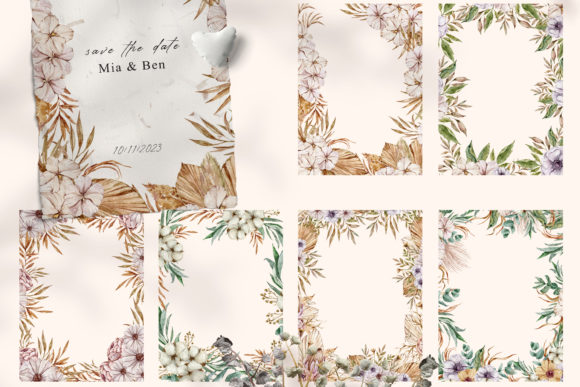
What makes the Watercolor Flower Art Brush, Wedding Set particularly useful is the variety within the collection. Sixteen distinct flower arrangements give you enough range to design a complete wedding suite — from save-the-date cards to menu programs to thank-you notes — without repeating the same element over and over. Each arrangement has its own character, whether it's a loose, airy peony cluster or a structured rose wreath. That variety matters when you're building a visual story across multiple pieces.
Practical Applications Beyond Wedding Invitations
Weddings might be the obvious starting point, but this kind of floral asset set stretches far beyond bridal stationery. Here are some real-world ways designers and business owners put watercolor flower brushes to work:
- Logo design: A delicate floral accent can soften a wordmark and give a brand an approachable, artisan quality. Think of a bakery, florist, or skincare line that wants to signal handcrafted care.
- Packaging design: Wrapping paper, box sleeves, product labels — watercolor florals add shelf appeal without overwhelming the typography. The vector format means you can print at any size with crisp results.
- Social media graphics: Instagram posts, Pinterest pins, Facebook headers, and story templates all benefit from a consistent floral motif. When your visual identity carries across platforms, followers start recognizing your content before they even read the caption.
- Website and blog design: Hero images, section dividers, background textures, and featured post graphics can all incorporate watercolor elements to create a cohesive brand experience.
- Print materials: Business cards, brochures, flyers, postcards, and posters gain a premium feel when paired with quality floral art. A real estate agent sending out postcards with a subtle watercolor border stands out in a stack of generic mailers.
- Merchandise: Tote bags, mugs, journals, and phone cases with watercolor floral patterns sell well on platforms like Etsy and Shopify. The editable vector files let you adapt designs for different product dimensions.
- Digital products: Printable wall art, planner stickers, digital planners, and Canva templates are booming markets. Having a library of high-quality floral elements speeds up production significantly.
- Editorial layouts: Magazine spreads, lookbooks, and catalog designs use watercolor florals as decorative accents that guide the reader's eye without competing with the content.
Working With Vector Files in Illustrator
One common hesitation designers have with brush-based assets is the learning curve. The good news is that this set is built for accessibility. If you can open an Ai file in Illustrator and use the Direct Selection tool, you're already equipped to start customizing. The paths are clean, the layers are organized, and the brush elements are grouped logically so you're not digging through hundreds of unnamed objects.
Changing colors takes seconds. Select a flower group, swap the fill, and you've got a completely different palette. Want to match a client's brand colors? Pull the hex codes, apply them to the vector shapes, and you have a perfectly on-brand floral element. Scaling is equally painless — drag a corner handle, hold Shift to maintain proportions, and the watercolor texture stays sharp at any dimension. This is where the 300 DPI raster versions also shine for projects that don't require vector editing, like quick social media mockups in Photoshop.
The included PSD files are layered, which means you can isolate individual flowers, adjust opacity, add blending modes, or composite them with photography. For content creators who work primarily in Photoshop, this flexibility eliminates the need to switch between applications constantly.
Building Visual Consistency Across a Brand
One of the biggest challenges in branding is maintaining a unified look across every touchpoint. A logo on a website should feel related to the packaging on a shelf, which should feel connected to the Instagram grid. When you have a cohesive asset set like this Watercolor Flower Art Brush, Wedding Set, you're working from the same visual DNA everywhere.
Imagine a wedding planner who uses the same floral brush elements on their business cards, their website banner, their proposal templates, and their client welcome packets. Every piece reinforces the same aesthetic. Clients see it and immediately understand the brand's style before a single conversation happens. That kind of visual shorthand builds trust and recognition faster than any tagline.
For small business owners who aren't professional designers, having a pre-built set removes the guesswork. You don't need to understand color theory or composition principles at an advanced level. The elements are already balanced and harmonized. You're arranging, not creating from scratch, which is a much lower barrier to entry.
Choosing the Right Elements for Your Project
Not every floral arrangement suits every context. A dense, full-bleed wreath works beautifully as a poster background but might overwhelm a business card. A single sprig with negative space around it might be perfect for a minimalist logo but feel sparse on a wedding invitation. The key is matching the complexity of the element to the size and purpose of the project.
Start by considering your layout. If text is the primary focus, choose floral elements that frame or accent rather than dominate. If the art is the star — say, on a print or a tote bag — go bolder. Test a few arrangements at actual size before committing. What looks balanced on a 27-inch monitor might feel crowded when printed at four by six inches.
Color is another consideration. Watercolor florals often come in soft, muted palettes that feel naturally elegant. But you can shift the mood entirely by adjusting saturation. Desaturated, dusty tones feel vintage and romantic. Brighter, more saturated versions feel fresh and contemporary. The vector format gives you complete control over this, so experiment freely.
Font pairing also deserves attention when combining floral art with typography. Script fonts complement the organic feel of watercolor, but too many decorative elements competing for attention can create visual noise. A clean sans serif or a classic serif typeface often provides the best contrast, letting the floral art add personality without sacrificing readability.
Licensing and Commercial Use
Before using any design asset commercially, always review the licensing terms. Most premium design resources come with clear guidelines about what's permitted — typically covering use in client work, merchandise, and digital products. Understanding these terms upfront protects you and your clients from unexpected issues down the road. If anything in the license is unclear, reaching out to the creator through their profile page is the responsible move.
This particular set is designed with commercial use in mind, which is why the file formats and resolution specifications matter. A 300 DPI PNG works for professional print production. Editable vectors give you the flexibility to create derivative works. Multiple format options mean you're not locked into a single workflow.
If you've been looking for a reliable collection of watercolor floral assets that won't require hours of cleanup or reformatting, this set delivers on that promise. The combination of variety, quality, and format flexibility makes it a practical addition to any designer's toolkit — whether you're building a wedding brand from scratch or adding seasonal flair to an established business.