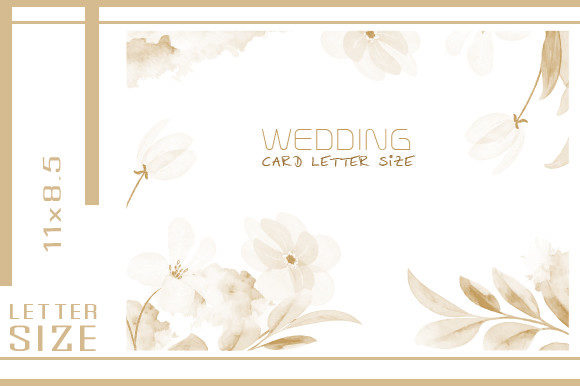
Watercolor Wedding Card Art: A Soft Touch for Modern Designs
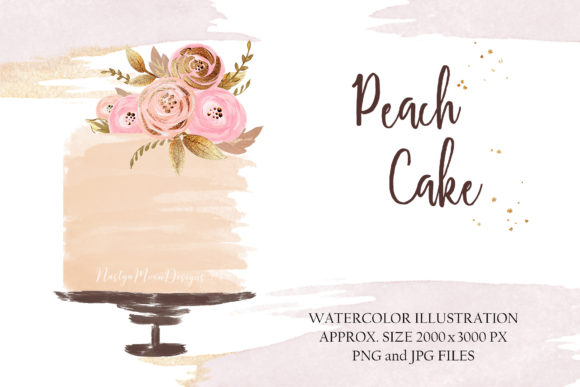
There's a certain magic in the way watercolor bleeds and blends—a softness that feels both timeless and deeply personal. In a world of sharp digital edges, this organic, artistic quality has become a sought-after aesthetic, especially in wedding stationery and romantic branding. A thoughtfully crafted watercolor wedding card art template captures this magic, offering a versatile foundation for designers and creatives looking to infuse their projects with warmth, elegance, and a touch of hand-painted charm. It’s more than just a graphic; it’s a mood, a texture, and a story waiting to be told through your unique vision.
Beyond the Invitation: Versatile Applications for a Painterly Asset
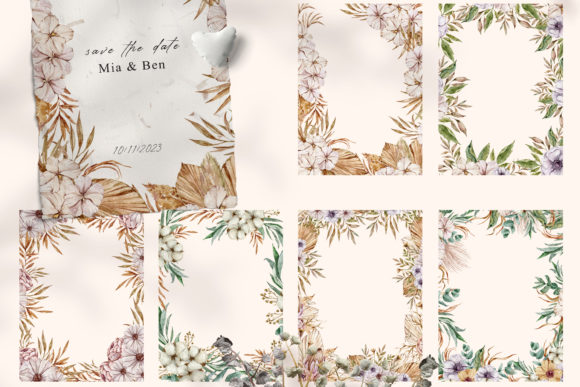
While its name suggests a singular purpose, the true value of a high-quality watercolor design template lies in its incredible adaptability. The soft, organic textures and elegant forms found in these assets translate beautifully across a wide spectrum of creative and commercial projects. Think of it as a core design element in your toolkit, ready to be repurposed and reimagined.
For a small business owner or a creative entrepreneur, this style can become a cornerstone of a brand identity. Imagine the watercolor washes forming the background of a logo design for a boutique florist, a wedding planner, or a artisanal bakery. The texture adds instant depth and a handcrafted feel that sterile, flat graphics cannot replicate. This same aesthetic flows seamlessly into packaging design, turning a simple box or label into something that feels premium and special. It tells customers that care and artistry are part of the product itself.
Digital creators and marketers will find endless uses for this style. It’s perfect for creating engaging social media graphics that stop the scroll. A watercolor wash behind a quote, a promotion, or an announcement feels more personal and artistic than a standard digital background. For websites and blogs, particularly in lifestyle, fashion, or wedding niches, these elements can be used for hero images, section dividers, or subtle background textures that enhance readability and visual interest without overwhelming the content. They help build a cohesive visual language that makes a site memorable.
Practical Design: Working with Editable Vector Files
The real power for a designer lies in the file format. A professional-grade template, like one offered in AI, EPS, and PSD formats at 300 DPI, is built for real-world use. This isn't a static image you're stuck with. The vector-based files (AI and EPS) are the workhorses. Because they are built with mathematical paths rather than pixels, you can scale them to any size—from a tiny social media icon to a large poster or banner—with zero loss of quality. This is non-negotiable for professional print materials and versatile digital use.
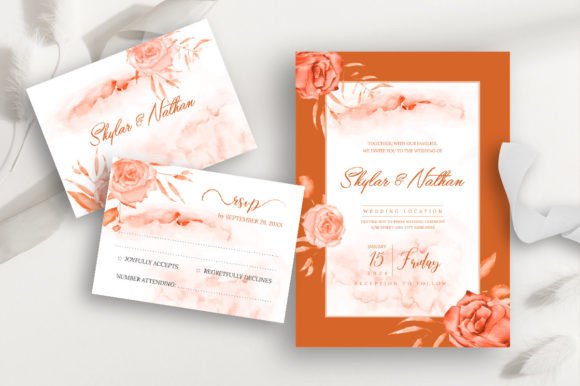
Furthermore, an easily editable design is crucial. You need to be able to isolate elements. Perhaps you only love the floral wreath but want to remove the central text. Or maybe you need to adjust the color palette to match a client's specific brand guidelines. With a layered vector file, this is straightforward. You can change colors with a few clicks, resize components, and rearrange the composition to fit your layout. This level of control transforms the template from a finished product into a customizable design asset. The inclusion of a coffee color variant, for instance, provides an instant alternative palette that evokes warmth and vintage charm, perfect for a different mood or audience.
Harmonizing Aesthetics with Typography
A beautiful watercolor background is only half the equation. The typography you pair with it will make or break the design. The goal is harmony, not competition. The organic, often irregular nature of watercolor art provides a perfect counterpoint to structured typefaces. This is where understanding basic font pairing becomes essential.
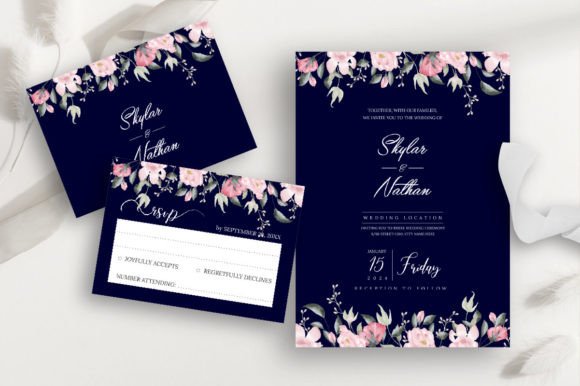
For elegant and classic applications like wedding invitations or editorial layouts, pairing the watercolor element with a refined serif font or a graceful script font can create a luxurious and traditional feel. The key is to ensure the script is legible, especially for important information like names and dates. A modern sans serif font with clean lines and ample spacing can also create a stunning contemporary contrast, letting the watercolor texture be the star while the text remains crisp and easy to read.
When using this style for more casual or modern typography projects—like blog headers, digital products, or merchandise—consider a friendly handwritten font or a relaxed display font. This combination can feel approachable and creative, perfect for a maker or a lifestyle brand. Always test your pairings. Place your chosen typeface over the watercolor art and check for readability. Ensure there is enough contrast in color and value so the text doesn’t get lost in the texture. Sometimes, adding a simple, semi-transparent shape behind the text can solve this issue elegantly.
From Template to Tangible Brand Asset
Ultimately, a resource like this is about saving time while elevating your professional presentation. It allows a solo entrepreneur to compete with larger agencies on visual quality. It gives a content creator a way to produce consistent, high-quality marketing assets without starting from scratch every time. This consistency is key to building brand recognition. When your social media graphics, your website, and your printed materials all share a cohesive watercolor-inspired aesthetic, you create a memorable and unified brand identity.
Before you begin, always review the licensing. Ensure the commercial font and graphic license allow for your intended use, whether it's for client work, merchandise for sale, or unlimited personal projects. A well-structured package will make this clear. Once you have it, dive in. Experiment. Use the floral elements for one project, the abstract washes for another. Change the colors to match the seasons. The true value of a versatile creative font and art set is unlocked not by using it as-is, but by using it as a springboard for your own creativity. It’s the starting point that helps you communicate a feeling of care, artistry, and beauty in every project you touch.