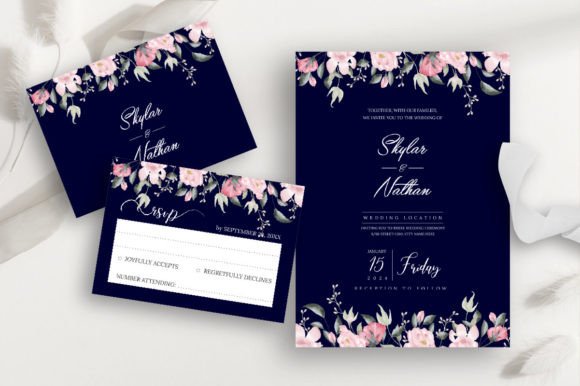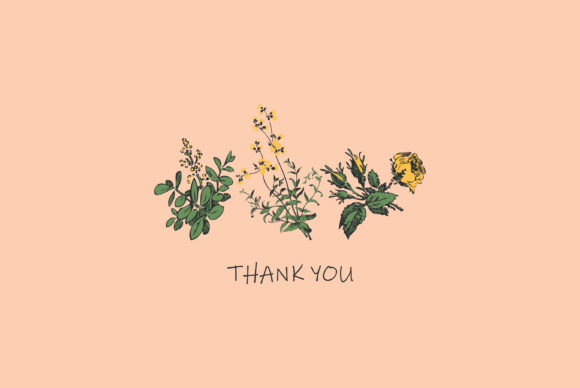
Wildflowers Wedding Invitation Card: A Fresh Design Asset
There's a moment when you're designing something for a celebration—a wedding, a milestone birthday, an intimate garden party—and you realize the standard clip art and overused floral motifs just aren't cutting it. You need something that feels organic, handpicked, and genuinely beautiful without looking like it came from a generic template. That's exactly where a design element like the Wildflowers Wedding Invitation Card illustration steps in, offering a breath of fresh air for projects that demand authenticity and charm.
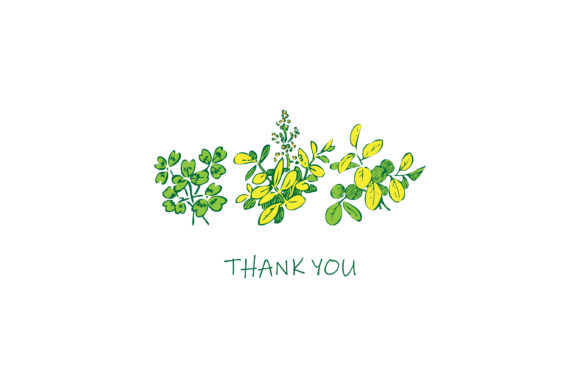
This particular vector illustration captures the untamed elegance of wildflowers—stems, leaves, and delicate rose flowers rendered in soft greens and yellows against a warm beige background. It's a visual that immediately evokes warmth, nature, and a sense of celebration rooted in simplicity. For designers, small business owners, and content creators, this isn't just a pretty picture. It's a versatile design asset that can anchor branding projects, elevate print materials, and bring a cohesive natural aesthetic to digital platforms.
The Appeal of Organic, Nature-Inspired Design
Why do wildflower motifs resonate so deeply in modern design? Because they strike a balance between sophistication and approachability. Unlike rigid geometric patterns or overly polished illustrations, wildflower designs carry a sense of movement and life. The green and yellow color palette in this particular illustration feels fresh and optimistic without being overwhelming. It works beautifully on a beige background because the tones are muted enough to let typography and other design elements breathe, yet distinctive enough to make a visual impact.
For anyone working on a wedding invitation card, this kind of illustration sets the tone immediately. It tells guests that the event will be thoughtful, nature-inspired, and elegantly understated. But the applications extend far beyond invitations. Think about a small-batch skincare brand looking for packaging that communicates natural ingredients. Or a lifestyle blogger who wants their website headers to feel cohesive and welcoming. The same illustration that works on a wedding card can become the visual thread running through an entire brand identity.
Practical Applications Across Creative Projects
The real strength of a well-crafted vector illustration like this lies in its adaptability. Because it's a vector file, it scales cleanly from a small logo mark to a large-format poster without losing quality. That flexibility makes it a smart investment for designers who work across multiple mediums.
Consider how this wildflower design could be used in different contexts:
- Logo design and branding: The illustration can be simplified or cropped to create a distinctive brand mark for florists, event planners, artisan food producers, or wellness brands. The natural color palette pairs well with earthy brand identities.
- Packaging design: Imagine this motif wrapping around a candle box, a tea tin, or a soap label. It immediately communicates handmade quality and natural ingredients.
- Social media graphics: Instagram posts, Pinterest pins, and Facebook headers benefit enormously from consistent visual themes. Using this illustration as a background or accent element creates a recognizable aesthetic across platforms.
- Website and blog design: A hero image featuring these wildflowers can set the mood for an entire site. It works particularly well for wedding vendors, garden centers, and lifestyle content creators.
- Print materials: Business cards, thank-you cards, menu designs, and stationery all benefit from a cohesive floral motif. The beige background makes it easy to overlay text in dark or muted tones.
- Editorial layouts: Magazine spreads, lookbooks, and catalog designs can use the illustration as a decorative border, a chapter opener, or a background texture.
- Digital products and marketing assets: E-book covers, email newsletter headers, and downloadable planners gain a polished, professional look when they incorporate a consistent design element like this.
Matching Visual Assets to Your Project Goals
One of the most common mistakes in design is choosing a visual element because it looks good in isolation, without considering how it fits the broader project. A wildflower illustration works beautifully for certain audiences and messages, but it's worth thinking critically about alignment.
If your project aims to communicate warmth, nature, celebration, or handcrafted quality, this design is a strong match. It's particularly effective for audiences who value authenticity over flashiness—think couples planning intimate weddings, consumers who prefer artisan products, or readers drawn to lifestyle content with a natural bent.
On the other hand, if you're designing for a tech startup or a luxury fashion brand that leans into minimalism and stark contrast, this particular illustration might feel too soft. That's not a flaw in the design—it's a reminder that the best creative choices are intentional ones. Before committing to any design asset, ask yourself whether the visual language aligns with the story you're telling.
Working With Color, Typography, and Composition
The green and yellow tones in this wildflower illustration open up interesting possibilities for color pairing. Because the palette is grounded in nature, it works harmoniously with other earthy shades—think terracotta, dusty rose, warm gray, and deep forest green. For a more contemporary feel, you could pair it with crisp white typography or even a bold navy accent.
When it comes to typography, the illustration's organic feel pairs best with typefaces that don't fight for attention. A clean serif font for body text and a slightly decorative script for headings can create a beautiful hierarchy without overwhelming the floral elements. If you're working on a wedding invitation card, a handwritten-style font for the couple's names paired with a simple sans serif for details like date and venue creates a balanced, readable layout.
Readability is always a priority, especially when layering text over illustrated backgrounds. The beige background in this design is a practical advantage—it's light enough to maintain strong contrast with dark text, reducing eye strain and ensuring your message comes through clearly. For digital applications, always test your designs on multiple screen sizes to confirm that text remains legible and the illustration doesn't become visually cluttered.
Building a Cohesive Visual Identity
For small business owners and entrepreneurs, a single well-chosen design asset can become the foundation of an entire brand identity. The wildflower illustration isn't just a one-time-use graphic. Extract individual elements—a single stem, a cluster of leaves, a rose bloom—and you have a library of smaller assets for social media icons, watermark marks, pattern fills, and decorative accents.
This approach creates visual consistency across every touchpoint. Your website, your packaging, your social media presence, and your printed materials all speak the same visual language. That consistency builds brand recognition over time. Customers begin to associate those soft greens and yellows, those delicate floral lines, with your business. That's the power of thoughtful design—it works quietly and effectively in the background, reinforcing your message without shouting.
Whether you're a designer building a mood board for a client, a crafter looking for the perfect element for handmade goods, or a content creator developing a signature aesthetic, a versatile floral illustration like this one is worth exploring. It's a small detail that can make a surprisingly large difference in how your work is perceived and remembered.